A Beginner's Guide to Saving Your First £1,000 Emergency Fund
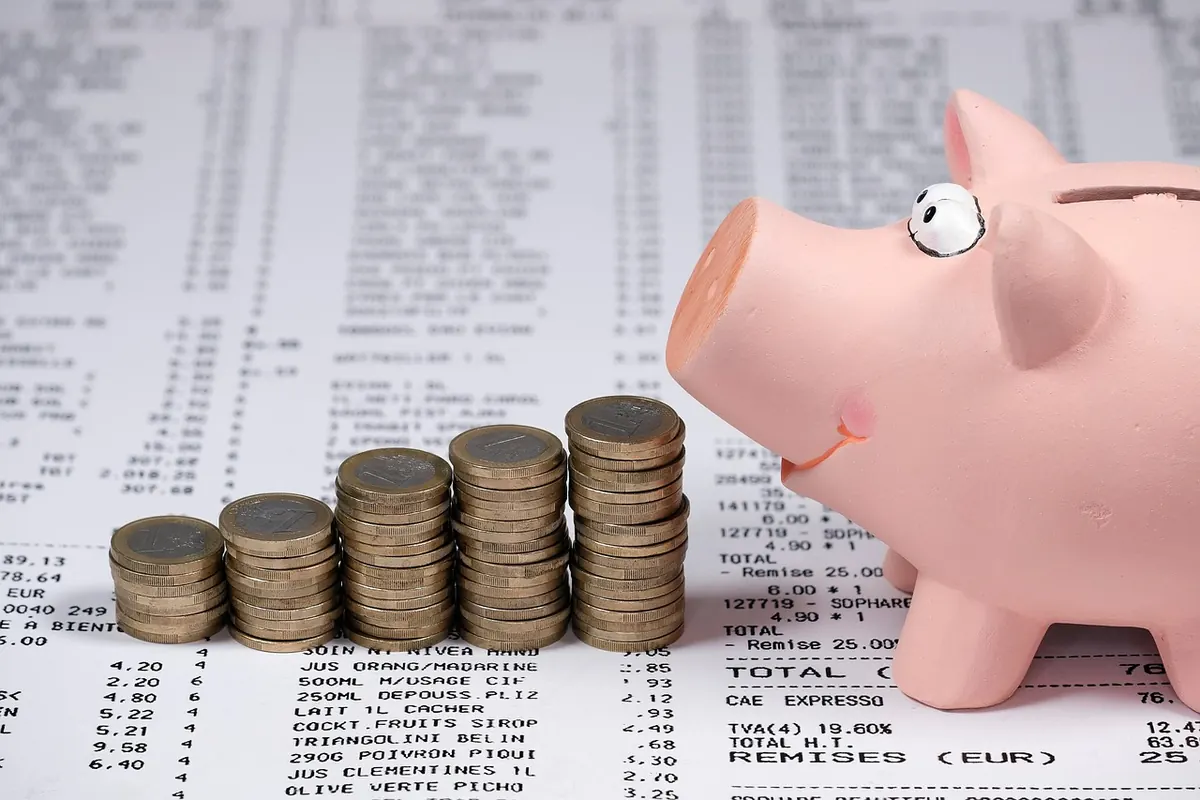
A £1,000 emergency fund will not solve every money problem. It will, however, stop a broken boiler, a car repair or a sudden vet bill turning into a credit card balance you spend months clearing. That is why £1,000 is such a useful first target: big enough to cover many everyday shocks, small enough to feel possible. This guide walks through a realistic plan, from choosing a monthly amount to picking a UK savings account that keeps the money accessible.
It is money set aside for genuine, unexpected essentials. Not a holiday. Not Christmas. Not the car service you knew was due. Those are planned costs, and they deserve their own savings pots. An emergency fund is for the bill you did not see coming, or the income gap you did not choose.
Ask yourself: if this expense is not paid, does it affect my housing, health, transport to work or ability to feed my family? If yes, it is a real emergency. If no, it can usually wait or be planned for.
Keep the fund separate from your current account. If it sits in the same pot you use for groceries, it will quietly disappear.
Many people fail at saving because they start with an ambitious number and give up by February. A better approach is to choose an amount you can hit even in a difficult month, then increase it when you can.
To save £1,000:
None of these is morally better than the others. The £25 saver who keeps going will beat the £250 saver who stops after two months.
Pick a base amount and a stretch amount. For example, £75 is your base; if you have a lighter month, you add £50 extra. That flexibility keeps the habit alive.
Use an easy-access savings account, not a fixed-term bond. You need to reach the money quickly and without a penalty. A separate account at a bank or building society you already use is fine, as long as it is not your everyday current account.
Look for:
A cash ISA can be useful if you expect to earn more than your Personal Savings Allowance in interest, but do not let tax planning make you lock money away. For a first £1,000, accessibility matters more. If you are unsure about your tax position, check with a qualified adviser or HMRC guidance.
You do not need to track every penny for six months. Start with the money that is already leaving your account.
One cancelled £10 subscription is £120 a year. Three small cuts can easily create a £40 monthly saving, which is £480 over a year.
If quick wins are not enough, look at the big three: housing, transport and food. Can you renegotiate a broadband or mobile contract? Could you cycle or use public transport for some journeys? Could you plan meals around what you already have? Make one change at a time.
Avoid payday loans, buy-now-pay-later offers and credit card cash withdrawals to fund savings. Borrowing to save rarely works.
On payday, set a standing order to move your chosen amount into the savings account. Treat it like a bill. If your income varies, set the transfer for the day after you know what has arrived, or use a smaller weekly amount.
Check the balance once a month. Not every day. Watching it grow can be motivating, but daily checking can make you focus on what you are missing. A simple note in your banking app or a paper chart is enough.
Save a percentage rather than a fixed sum. Ten per cent of a £500 month is £50; ten per cent of a £1,200 month is £120. On very low months, save £5. The habit matters more than the amount.
Decide in advance what counts as an emergency. Write it down. Then decide how you will refill the fund after you use it.
A £1,000 emergency fund is not a failure if you spend it. It has done its job. The next step is to start again.
After a withdrawal, pause non-essential savings goals until the fund is back at £1,000. If you used the money for a planned expense, move that expense into its own sinking fund next time.
Once you reach £1,000, do not stop. Keep the same standing order for another month and decide on your next target. Many people aim for three to six months of essential expenses. That is a bigger number, so break it into smaller milestones: £1,500, £2,000, £3,000.
If you have high-interest debt, the balance between saving and repaying can be tricky. A small emergency fund prevents new borrowing, but clearing expensive debt is often a priority. Free debt advice services can help you decide. Before making changes to investments or tax arrangements, speak to a regulated financial adviser.
Choose an amount you can transfer this week. Open or label a separate easy-access account. Set the standing order. That is the whole plan. Your first £1,000 may take four months or forty, but every transfer makes the next unexpected bill less frightening.
Photo: AlexBarcley / Pixabay
Previous Post
Self-Employed? How to Budget for Your First Tax Bill with HMRC
Next Post
How to Set Up a Sinking Fund for Christmas and Car Costs